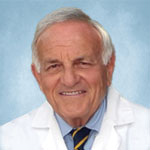
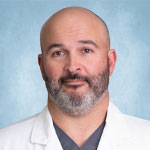



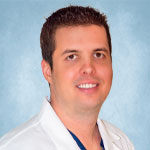
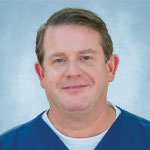

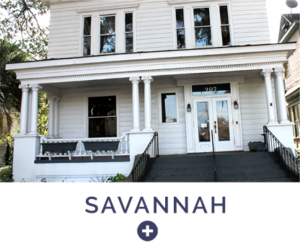


 Thomas J. Morrison, D.D.S., opened the first Morrison Dental Associates office in 1972 in Savannah on 31st Street and the practice has been growing ever since. MDA has served tens of thousands of patients at offices in Savannah, Atlanta, Brunswick and South Carolina’s Lowcountry. After more than 40 years, Morrison Dental Associates continues to operate with the same philosophy that motivated Dr. Morrison to found the practice: everyone deserves the highest quality dental care at an affordable price.









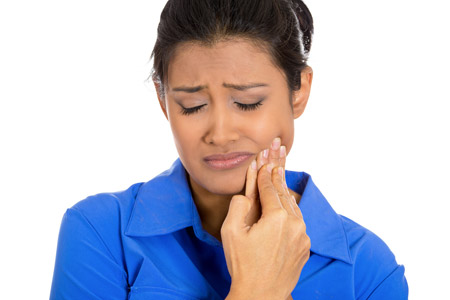 Wisdom Teeth are the “third molars” that erupt on both sides of your upper and lower jaws, usually between the ages of 17 and 21 after your other adult teeth have already come in. For many, these teeth emerge without issue or cause for concern. However, wisdom tooth extraction is a common necessity due to impacted teeth, infection, and tooth cramming.
There are several reasons why your wisdom teeth may need to be extracted. Your wisdom teeth may grow in where there isn’t room in your jaws, cramming other teeth. Tooth cramming is painful and keeps you from having a straight, healthy smile. Wisdom teeth may be decayed, or grown at a severe angle. You may experience an infection as the site of an erupting tooth because it is difficult to effectively clean food particles from the area.
In all of these instances, your orthodontist may recommend that one or all of your wisdom teeth be removed. It might feel intimidating to need tooth extraction surgery, but this procedure is common and safe. There are several sedative and anesthetic options for wisdom tooth surgery.
- Local Anesthetic
- Conscious Sedation
- Nitrous Oxide
- IV Sedation
- General Anesthesia
The method you choose will depend on personal preference and your doctor’s recommendation. Some prefer to be completely sedated during oral surgery so that they will not remember the experience. Others might feel comfortable with just a local anesthetic for a quick and direct procedure. Depending on what degree of sedation you choose, you may need to arrange someone to drive you home.
Wisdom teeth are not necessary for chewing and daily life. Once they are removed, you won’t need to worry about any changes to your routine or diet after the initial recovery. Recovery is usually a short process, aided by prescription pain medication and a soft diet for a short time (one to two weeks). Following your surgery, you will need to follow some basic instructions in order to prevent infection or ripped stitches. These instructions may include some or all of the following:
- Avoid drinking with straws
- Avoid smoking
- Avoid texturally abrasive or spicy foods
- Avoid extremely hot foods
The most important part of your oral surgery is your comfort level. Our staff will help you decide what degree of sedation is the best fit for you. AT Morrison Dental Associates, you can feel confident in your decision.